
Once known mostly as the quirky addition to Chia Pets, chia seeds have gained a serious reputation as a superfood in recent years—and for good reason. These tiny seeds were once consumed by Aztec warriors for stamina and endurance, and today they’re celebrated for their wide array of health benefits, ranging from skin health to improved digestion and energy.
Here’s a closer look at four major health benefits of incorporating chia seeds into your diet:
1. Supports Digestion & Boosts Energy Naturally
Improves Digestive Health
Many people struggle with sluggish digestion due to low fiber intake. Chia seeds are an excellent natural source of dietary fiber—providing a whopping 11 grams per ounce. This helps promote regular bowel movements, nourish beneficial gut bacteria, and regulate blood sugar levels.
The zinc found in chia seeds also helps regulate leptin, the hormone responsible for hunger cues. By keeping leptin balanced, chia seeds can help reduce cravings and curb overeating—great news for anyone trying to manage weight or fight bloating.
Helps Manage Blood Sugar & Diabetes
Beyond fiber, chia seeds also contain alpha-linolenic acid (ALA), a plant-based omega-3 that can help prevent insulin resistance. People dealing with metabolic conditions have found more stable blood sugar levels when chia seeds are part of their routine—even without major dietary changes. These seeds help your body respond better to glucose and insulin, potentially reversing early-stage symptoms of type 2 diabetes.
2. Promotes Healthy Skin, Bones, and Teeth
Protects and Repairs Skin
Chia seeds are loaded with antioxidants—new studies suggest even more than previously believed. These compounds help protect your skin from damage caused by free radicals and UV rays. They also reduce inflammation, allowing your skin to heal faster and stay more youthful over time.
Strengthens Bones
Bone health becomes more critical as we age, and chia seeds can be a great natural source of calcium—one ounce provides around 18% of your daily recommended intake. Plus, they contain boron, which aids in the absorption of calcium and magnesium, both vital for bone strength.
Supports Oral Health
Want stronger teeth and fresher breath? Chia seeds deliver calcium, vitamin A, and zinc—key nutrients for oral hygiene. Zinc is especially powerful in preventing plaque buildup and offers antibacterial benefits that keep your mouth feeling fresh longer.
3. Improves Heart Health and Physical Performance
Heart-Healthy Benefits
Chia seeds support cardiovascular wellness through a combination of omega-3 fatty acids, fiber, and antioxidants. These components help reduce bad cholesterol (LDL), lower high blood pressure, and minimize inflammation—making it easier for your heart to function efficiently during workouts and daily activities.
Enhances Energy and Fat-Burning
Need a clean energy boost? Chia seeds can match the endurance-enhancing effects of sugary sports drinks—without the sugar crash. They support hydration and sustain energy levels during exercise while also helping reduce belly fat, especially around the organs (visceral fat).
Chia seeds also help build lean muscle mass. The protein content is ideal for vegans or vegetarians and provides essential amino acids your body needs to repair and grow muscle tissue.
4. Offers Potential Cancer-Fighting Properties
Emerging research suggests that the ALA in chia seeds may help reduce the growth of certain cancer cells—specifically in breast and cervical cancer. Even more impressive, this fatty acid may slow cancer development without harming healthy cells, a crucial advantage over traditional treatments like chemotherapy.
While more clinical studies are needed, the findings are promising and support the inclusion of chia seeds as part of a balanced, nutrient-rich diet.
Final Thoughts: Should You Eat Chia Seeds?
Chia seeds are more than just a health trend—they’re a nutrient-dense powerhouse that supports digestion, heart health, energy, and more. They’re easy to incorporate into your meals, too. Sprinkle them on your oatmeal, blend them into smoothies, or try making chia pudding for a protein-rich breakfast.
Whether you’re plant-based, health-conscious, or just looking for easy ways to boost your nutrition, chia seeds are a smart choice that deserves a permanent place in your pantry.
Frequently Asked Questions (FAQs)
1. How much chia seeds should I eat per day?
Most nutritionists recommend about 1 to 2 tablespoons (10–20 grams) of chia seeds daily. This amount provides a great source of fiber, protein, and omega-3s without overwhelming your digestive system.
2. What’s the best way to eat chia seeds?
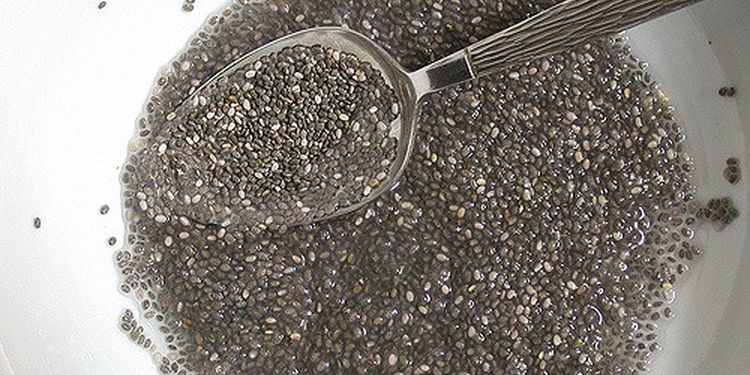
Chia seeds can be added to smoothies, yogurt, oatmeal, salads, or made into chia pudding by soaking them in milk or a dairy-free alternative. Soaking them first helps with digestion and nutrient absorption.
3. Can chia seeds help with weight loss?
Yes, chia seeds can support weight loss efforts. Their high fiber content helps you feel full longer, which can reduce overall calorie intake. They also help regulate blood sugar and reduce unhealthy cravings.
4. Are chia seeds safe for people with diabetes?
Absolutely. Chia seeds are rich in fiber and alpha-linolenic acid (ALA), which help improve insulin sensitivity and stabilize blood sugar levels—making them a good choice for people managing type 2 diabetes.
5. Do I need to grind chia seeds like flaxseeds?
No. Unlike flaxseeds, chia seeds don’t need to be ground to access their nutrients. They can be eaten whole or soaked to form a gel-like texture, which aids in digestion and hydration.
6. Are there any side effects of eating chia seeds?
In large quantities, chia seeds can cause bloating or digestive discomfort, especially if not soaked in liquid. Start with a small amount and drink plenty of water to help your body adjust.
7. Are chia seeds good for vegans and vegetarians?
Definitely. Chia seeds are an excellent plant-based source of protein, calcium, and omega-3 fatty acids, making them a popular superfood in vegetarian and vegan diets.